Blog
What Is Earned Wage Access?
Earned wage access lets employees access part of their earned pay before payday. This guide explains how EWA works, why UK employers use it, and what to compare in a provider.
Earned wage access, often shortened to EWA, allows employees to access part of the wages they have already earned before their normal payday. You may also hear it called on-demand pay, on-demand earnings, or an early wage access scheme.
For employers, earned wage access is usually introduced as a financial wellbeing benefit with an operational angle. For employees, it can provide more flexibility between pay cycles without relying on high-cost borrowing.
If you are actively comparing providers rather than researching the definition, start with our earned wage access page for the main employer overview, our on-demand pay page for the closely related search term, and our Wagestream alternative page for a side-by-side comparison.

What is earned wage access?
Earned wage access is a payroll-linked service that lets employees withdraw a portion of earned wages before the regular payroll date. The key principle is that the money has already been earned. The employee is not borrowing future pay in the same way they would with a loan or credit product.
In practical terms, an earned wage access provider connects to payroll, rota, or timesheet data so the platform can estimate how much pay has already been accrued. The employee can then access an approved portion of those earned wages through an app or portal, with reconciliation taking place through payroll.
That makes earned wage access different from both payday loans and informal salary advances. It is usually positioned as a payroll-linked benefit rather than a stand-alone consumer credit product.
How earned wage access works
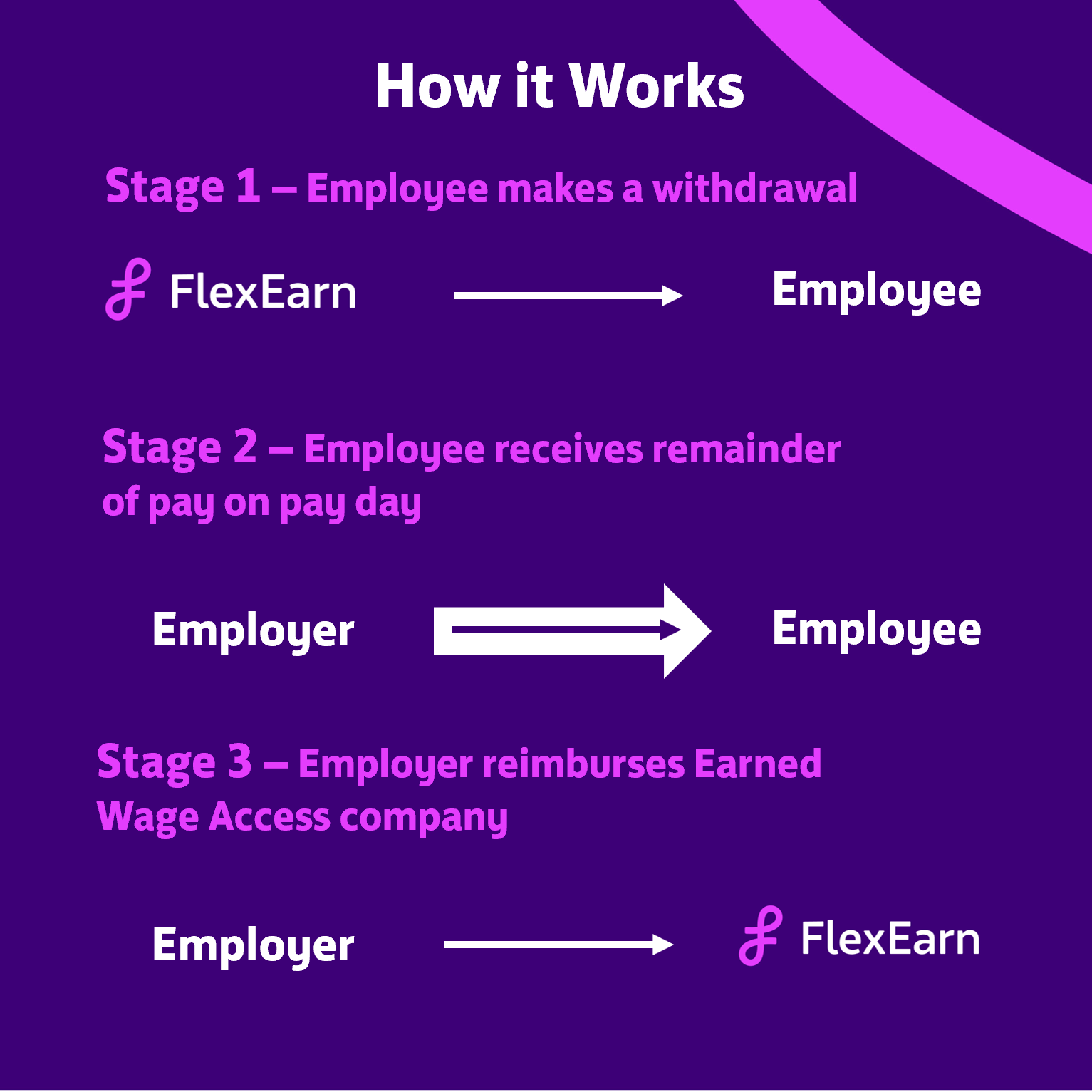
Most earned wage access schemes follow the same broad process:
- An employer sets up the service and connects workforce or payroll data.
- Employees can see how much pay they have already earned.
- Employees request access to an approved portion of those earned wages.
- The amount already taken is reconciled through the normal payroll process on payday.
That means employers can offer more flexibility without moving away from their usual pay cycle.
How earned wage access works for employers
For employers, the important question is not only what employees see in the app. It is how the scheme fits into payroll, HR, finance, and day-to-day administration.
A practical earned wage access rollout usually includes:
- a connection to payroll, rota, or time-and-attendance data
- employer rules for withdrawal eligibility, limits, and timing
- a clear reconciliation process at payroll run
- reporting and controls for payroll or HR teams
- employee communications so the benefit is easy to understand
This is why employers often compare providers on rollout effort and operating model, not just on employee-facing design.
Is earned wage access the same as a payday loan?
No. Earned wage access and payday loans solve different problems in very different ways.
- Earned wage access provides access to wages that have already been earned.
- Payday loans are credit products that involve borrowing money and then repaying it later.
- Earned wage access is typically presented as a payroll-linked employee benefit.
- Payday loans can involve high interest, fees, and the risk of repeat borrowing.
For employers, that distinction matters. Teams looking at earned wage access are usually trying to support financial resilience and reduce pressure on employees, not introduce another borrowing product.
Earned wage access vs salary advance
Employers sometimes compare earned wage access with manual salary advances. The main difference is usually operating model.
- A manual salary advance often needs ad hoc payroll or HR intervention.
- Earned wage access is designed to run through a repeatable process with policy controls, limits, and reporting.
- Salary advances are often handled case by case.
- Earned wage access is usually offered as a formal benefit available to a wider employee population.
If payroll teams already spend time handling individual advance requests, earned wage access can reduce that admin burden while giving employees a clearer and more consistent experience.
Why employers offer earned wage access
Employers usually adopt earned wage access for a combination of people, operational, and commercial reasons.
1. Support employee financial wellbeing
Unexpected expenses do not line up neatly with monthly pay cycles. Earned wage access can give employees more control over timing, which may reduce stress between paydays.
2. Improve recruitment and retention
In sectors with hourly workforces, shift-based patterns, or higher staff turnover, flexible access to earned pay can help strengthen the overall employee value proposition.
3. Reduce payroll friction around salary advances
Many employers already deal with requests for early pay. A structured earned wage access scheme can replace repeated one-off requests with a clearer policy and workflow.
4. Offer a modern benefit without replacing payroll
One reason earned wage access has grown in the UK is that it can sit alongside existing payroll operations rather than requiring employers to redesign the entire pay process.
Which employers use earned wage access?
Earned wage access is often most relevant for employers with:
- hourly or shift-based workforces
- higher turnover or recruitment pressure
- frequent requests for salary advances
- employees who face month-end cash-flow strain
- payroll, rota, or HR systems that can support straightforward data sharing
That is why earned wage access appears most often in sectors such as hospitality, care, retail, logistics, and other multi-site workforce environments.
Benefits of earned wage access for employees
When earned wage access is used responsibly, employees may benefit from:
- better control over timing of cash flow
- a lower need for costly short-term borrowing
- less stress around unexpected bills
- improved visibility of earnings as they build through the pay period
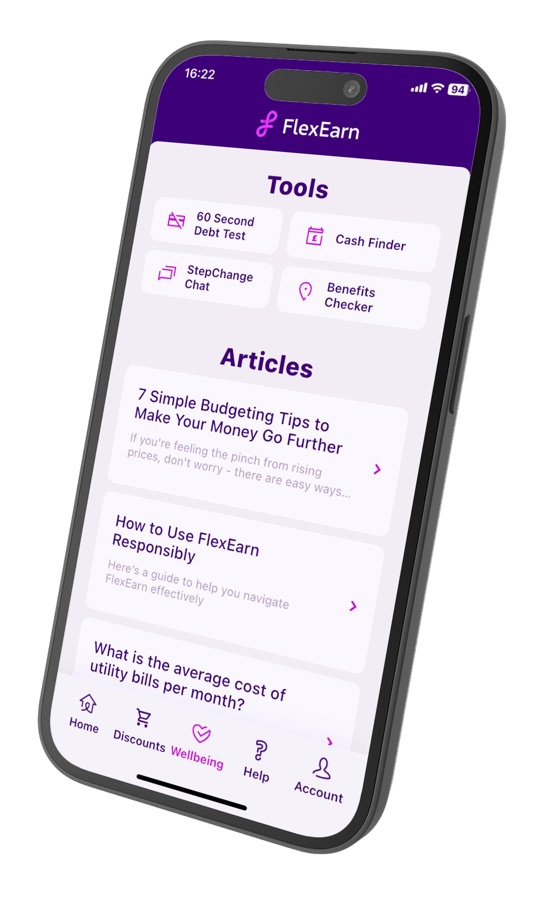
The strongest programs also give employees clear limits, transparent pricing, and guidance so the product supports financial wellbeing rather than becoming confusing or hard to manage.
What employers should look for in an earned wage access provider
Not all earned wage access models work in exactly the same way. When comparing providers, employers should look at:
- implementation effort
- payroll operating model and reimbursement flow
- payroll reconciliation process
- employee experience
- fee transparency
- information security and compliance
- reporting and policy controls
- integration options for payroll, HR, and timesheet systems
Operational detail matters here. Two providers may both offer earned wage access, but the ongoing admin model for payroll teams can be very different.
Earned wage access providers: what differs between companies?
Search demand for terms like “earned wage access providers” and “earned wage access companies” usually comes from employers already in buying mode. At that point, the main question becomes less “what is EWA?” and more “which provider fits our payroll operation?”
The biggest differences between providers are usually:
- whether the provider uses a deduction model or an intercept-style model
- how much employee setup is required
- whether payroll reconciliation is simple or more operationally involved
- how transparent employee fees are
- whether the provider offers broader financial wellbeing features
- how easily the service integrates with payroll, HR, or rota systems
If you are in that stage of research, the best next pages are our earned wage access for employers overview, product page, integrations hub, and Wagestream alternative comparison.
Why UK employers compare FlexEarn
FlexEarn is built for employers that want earned wage access with a practical rollout model and a straightforward employee experience.
- setup is typically quick
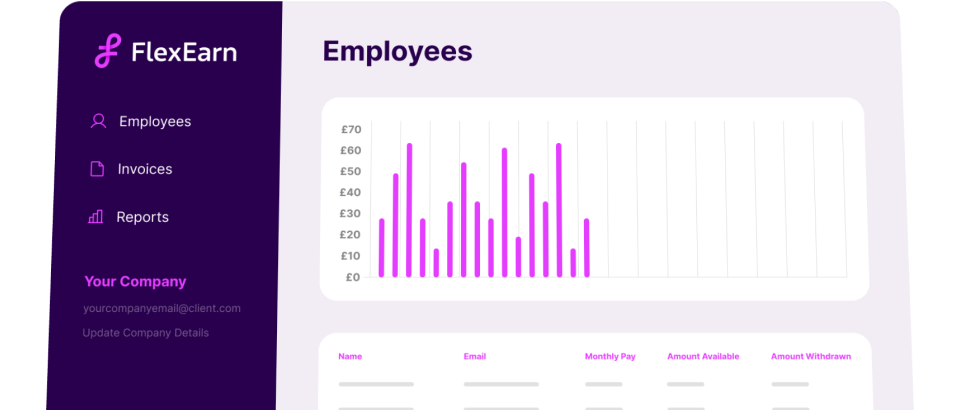
- employers can manage activity and controls through an online portal
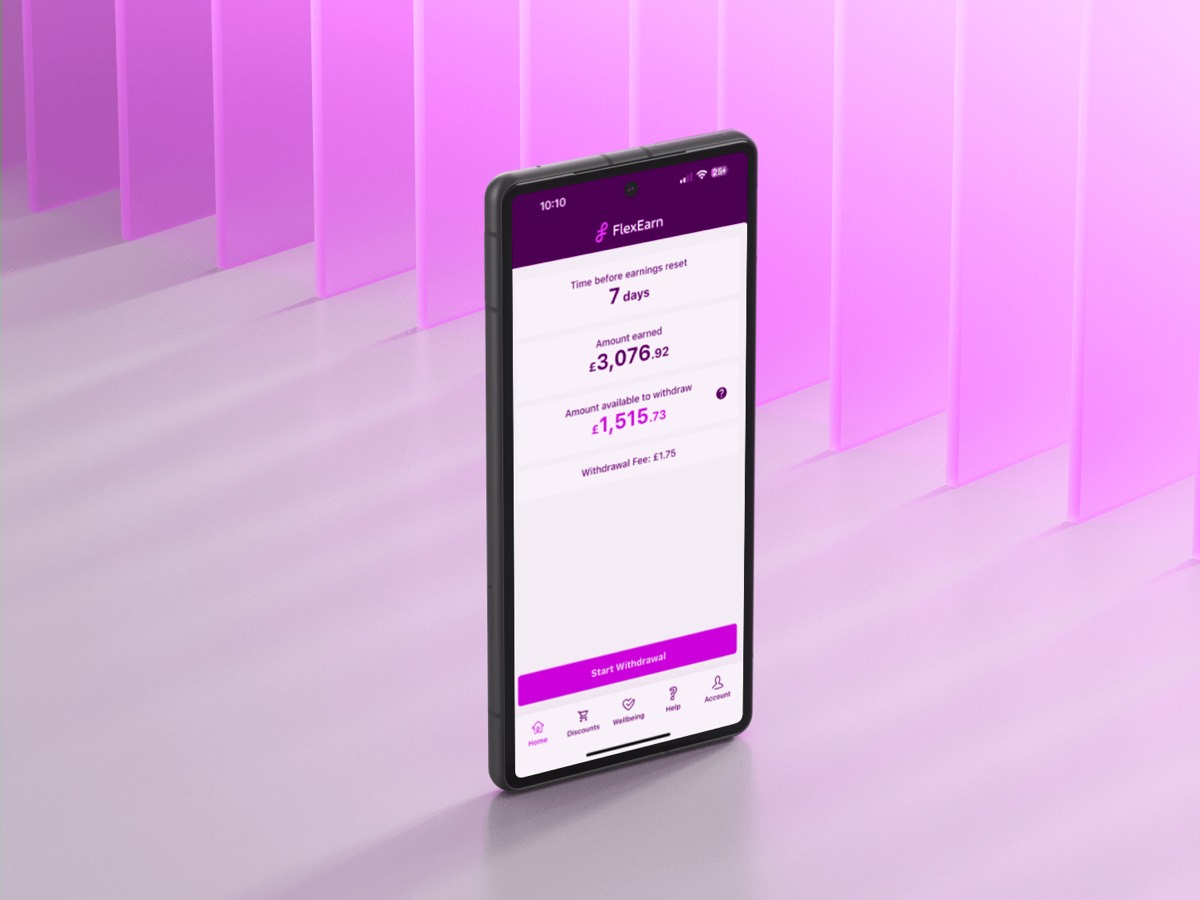
- employees can track earnings and access part of their wages through the app
- the service is designed to work alongside existing payroll processes
If you are comparing options, you can also review our earned wage access page, product overview, on-demand earnings guide, and Wagestream alternative page.
Frequently asked questions about earned wage access
What is earned wage access in simple terms?
It is a way for employees to access part of the pay they have already earned before the normal payday.
Is earned wage access a loan?
No. Earned wage access is generally positioned as access to earned wages rather than a loan of new money.
How do employers manage earned wage access?
Employers usually set rules and limits, connect the provider to payroll or workforce data, and reconcile accessed wages through the normal payroll process.
What should employers compare between earned wage access providers?
Employers should compare implementation effort, payroll reconciliation, employee setup, fee transparency, security, reporting, and the day-to-day admin model for payroll teams.
Why is earned wage access becoming more popular?
It gives employers a practical financial wellbeing benefit and gives employees more flexibility between paydays without changing the main pay cycle.
Next step
If you are evaluating earned wage access for your workforce, request a demo to see how FlexEarn works in practice, or visit our earned wage access for employers page for the main comparison-focused overview.